
Dr David Bell | March 2026 | drdavidbell.com.au
The first in a series called "How Did We Get Here?" — where I pick a current crisis, trace it back to its origins, and try to understand the chain of decisions that brought us to this point.
Diesel is $3.24 a litre on the Central Coast. That is the best price I could find. At the Caltex in Gosford last Tuesday, I watched a tradie put exactly $80 in his tank, get just over 24 litres, and drive off with his fuel light still on. There are 107 service stations across regional New South Wales that have run dry completely. Not overpriced. Empty. Dubbo, Broken Hill, towns across the west — bowsers with plastic bags over the nozzles.
But this is not just about the price at the pump.
Diesel is not petrol. Petrol moves people. Diesel moves everything else. Every piece of freight that arrives at a supermarket arrives on diesel. Every tractor in every paddock runs on diesel. Every mining truck in every pit runs on diesel. Road freight and mining are the two largest consumers of diesel in Australia, and agriculture is not far behind. When diesel supply tightens, it does not just mean paying more to fill up your ute. It means food does not get to the shelf. It means farmers cannot plant. It means the mining sector — the single largest contributor to Australian exports — starts rationing.
The National Farmers' Federation put it plainly: nothing in agriculture can function without fuel and fertiliser. Western Australia brought in a record grain harvest in 2025. That means nothing if farmers cannot get the diesel to plant, spray, and harvest in 2026. Nitrogen fertiliser prices have spiked alongside fuel costs, pushing farm operating costs to levels the NFF calls unsustainable. One expert at the University of Adelaide warned that a prolonged diesel shortage could push food prices up by as much as 50 per cent. Others are more cautious, but nobody is saying prices will stay where they are.
This did not fall from the sky.
I am a retired anaesthetist and a software engineer. I am not a geopolitical analyst. I do not have sources in the intelligence community. What I have is a broadband connection, an inability to let things go, and the growing sense that someone owes me an explanation. So I went looking for one.
What I found was a chain of decisions stretching back seventy-three years, each one made by someone who was never going to be the person standing at a bowser on the Central Coast wondering whether to fill the tank or buy groceries.
Start at the Bowser, Work Backwards
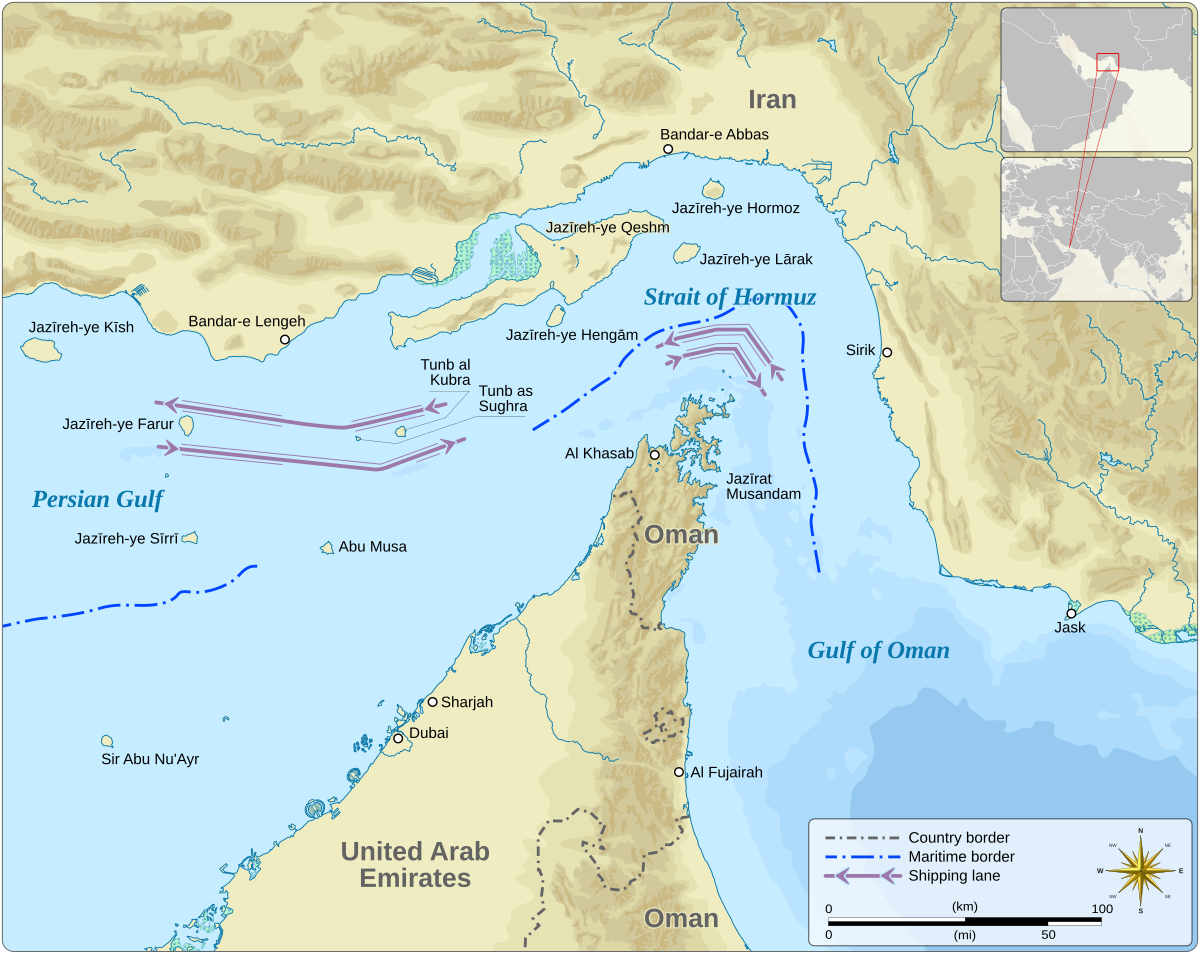
On the 4th of March 2026, Iran effectively closed the Strait of Hormuz. Within seventy-two hours, Brent crude spiked past $110 per barrel and has not come back down. As I write this, it is sitting around $112 — the highest sustained level since 2022.
To understand why that matters to a person filling up a ute on the Central Coast, you need to understand one number: Australia imports between 80 and 90 per cent of its refined fuel. We do not just import crude oil. We import the finished product — the diesel, the petrol, the jet fuel. We are not a country that refines most of its own supply and occasionally buys a bit extra. We are a country that buys almost everything and refines almost nothing.
We used to have eight refineries. Now we have two. Ampol at Lytton in Brisbane, and Viva Energy at Geelong. Every closure was foreseeable. Every closure was accompanied by hand-wringing, a government press release about market forces, and precisely nothing happening to replace the lost capacity.
The Fuel Security Act 2021 was supposed to fix this. It introduced a production payment to keep the last two refineries running. It was a stay of execution, not a cure. The refineries stayed open. Our dependence on imports did not meaningfully change.
Here is the number that stopped me. The International Energy Agency requires member nations to hold 90 days of net oil import reserves. Ninety days. This is not a suggestion. It is a treaty obligation. Australia has been non-compliant since 2012. At the time of the Hormuz closure, we had somewhere between 30 and 38 days of supply, depending on whose numbers you believe and how you account for fuel already on tankers heading our way. That is not a strategic reserve. That is a supply chain with no margin for error.
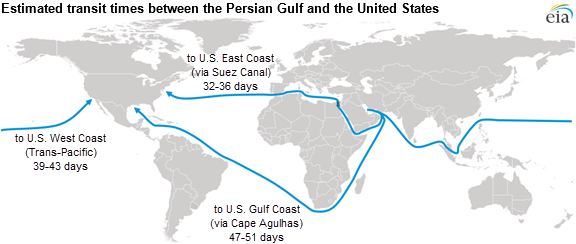
The Morrison government's response, when this was raised, was to announce that Australia had purchased oil stored in the United States Strategic Petroleum Reserve — in salt caverns in Louisiana and Texas. On the wrong side of the Pacific Ocean. A tanker from the US Gulf Coast to Australian ports takes roughly four to five weeks. In a crisis where the problem is "we can't get fuel shipped to us fast enough," the solution was fuel stored on the other side of the planet.
But here is the thing I genuinely did not know until I started researching this, and it stopped me cold.
In 1973, when OPEC imposed its oil embargo against nations supporting Israel in the Yom Kippur War, Australia was approximately 70 per cent self-sufficient in oil production. Bass Strait was flowing. Domestic refineries were running. The embargo that crippled the United States, that produced the famous petrol queues, that drove Richard Nixon to impose price controls, Australia barely felt it.
Most Australians do not know that we were an oil-producing nation. In 1967, Esso and BHP discovered the Kingfish and Halibut fields in the Gippsland Basin, off the coast of Victoria. Kingfish remains the largest oil field ever discovered in Australia. By 1984, Bass Strait was producing half a million barrels a day. Over its lifetime, it delivered more than four billion barrels of crude oil and trillions of cubic feet of natural gas. It made Australia functionally self-sufficient in oil for decades.
The fields are now largely exhausted. Production has declined to a fraction of its peak. Esso is decommissioning thirteen of the nineteen offshore platforms. The oil that made Australia resilient in the 1970s is gone, and nothing replaced it. No new major fields were developed. No strategic transition was planned. The country simply consumed the resource, closed the refineries that processed it, and started importing from Asia instead. By the time the Strait of Hormuz closed, we were importing 90 per cent of our refined fuel from the same global market we had once been insulated from.
The International Energy Agency was literally created in response to that crisis. It was founded in 1974, and the 90-day reserve requirement was one of its foundational rules. It was the lesson. The entire institution exists because the world learned that depending on imported oil from a geopolitically unstable region without adequate reserves was a catastrophic vulnerability.
We learned the lesson. We helped write it down. We joined the organisation built to enforce it. And then we spent fifty years ignoring it.
From 70 per cent self-sufficient to 90 per cent import-dependent in two generations. Every step of the way, someone decided the savings were worth the risk. Those people are not standing in a queue at the Caltex in Gosford.
1953 — Where It Actually Starts
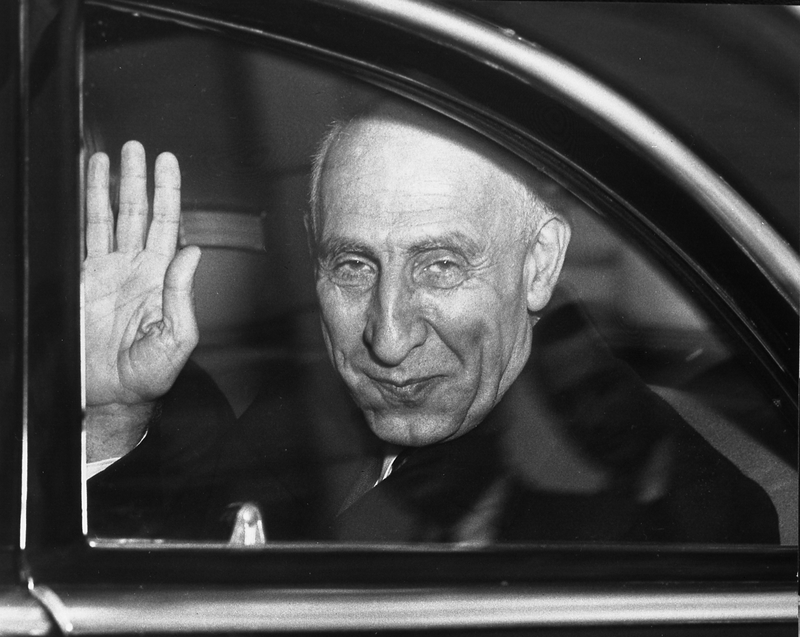
To understand why the Strait of Hormuz closed in March 2026, you have to go back to August 1953, when the CIA and MI6 overthrew the democratically elected Prime Minister of Iran.
His name was Mohammad Mossadegh. In 1951, he nationalised the Anglo-Iranian Oil Company — the entity we now know as BP. The Iranian parliament voted for it. It was, by any democratic standard, a legitimate act of a sovereign government exercising control over its own natural resources.
Now, I want to be fair here, because this is the point where a lot of people writing about Iran stop being fair. The Cold War was real. The fear that Iran might drift into the Soviet sphere was not invented. Mossadegh was not a communist, but he relied on the Tudeh Party for political support, and in the binary logic of 1953, that was enough to terrify Washington and London. There was a geopolitical rationale — a bad one, in my view, but a rationale — for wanting to ensure that Iran remained in the Western orbit.
What cannot be disputed is what actually happened. Operation Ajax, run jointly by the CIA and MI6, orchestrated street protests, bribed military officers, and destabilised the government until Mossadegh was arrested and the Shah, Mohammad Reza Pahlavi, was installed as an authoritarian ruler with Western backing. This is not contested history. The CIA declassified the documents in 2013. They describe the operation in detail. A democracy was overthrown so that Western companies could retain access to Iranian oil.
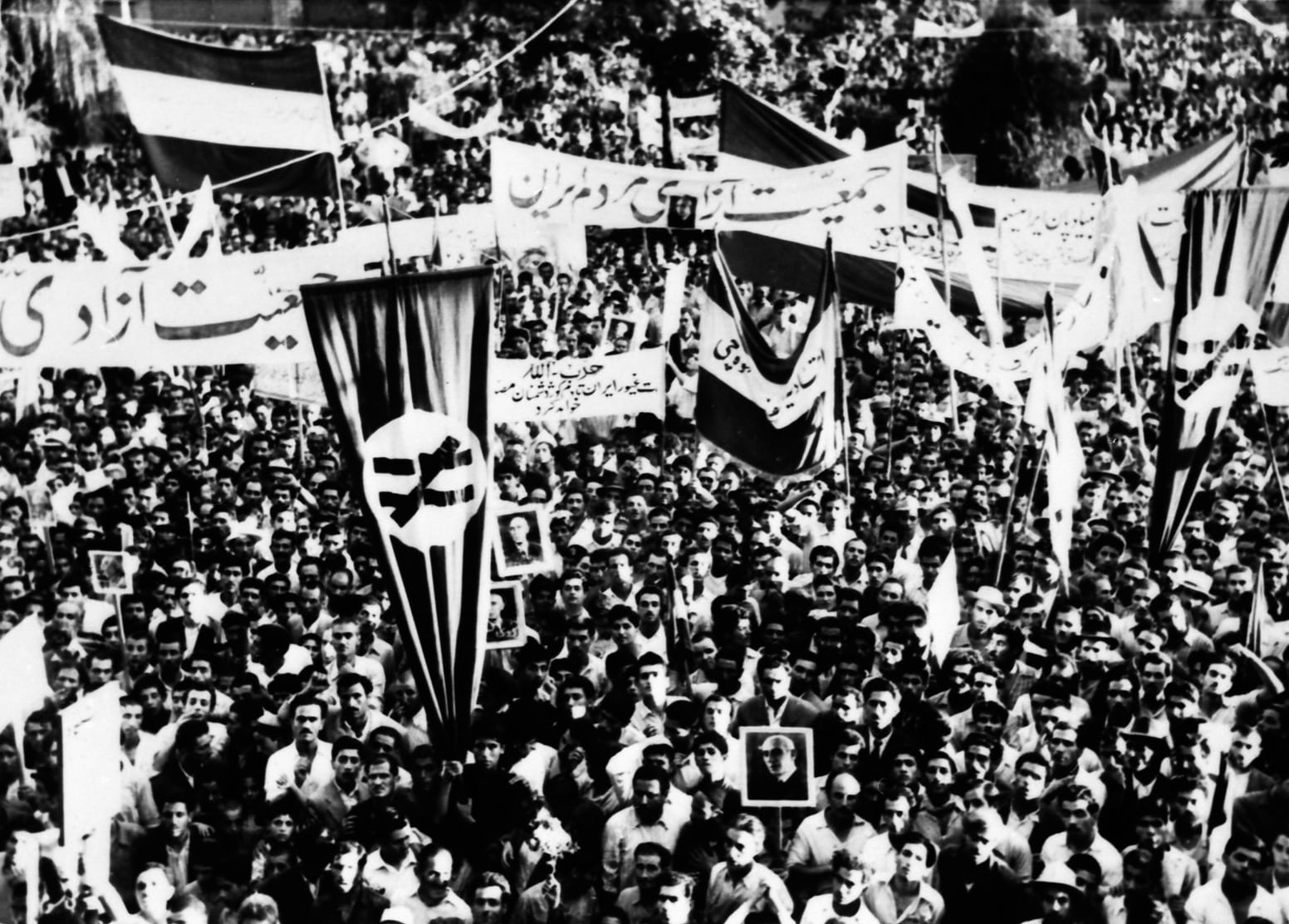
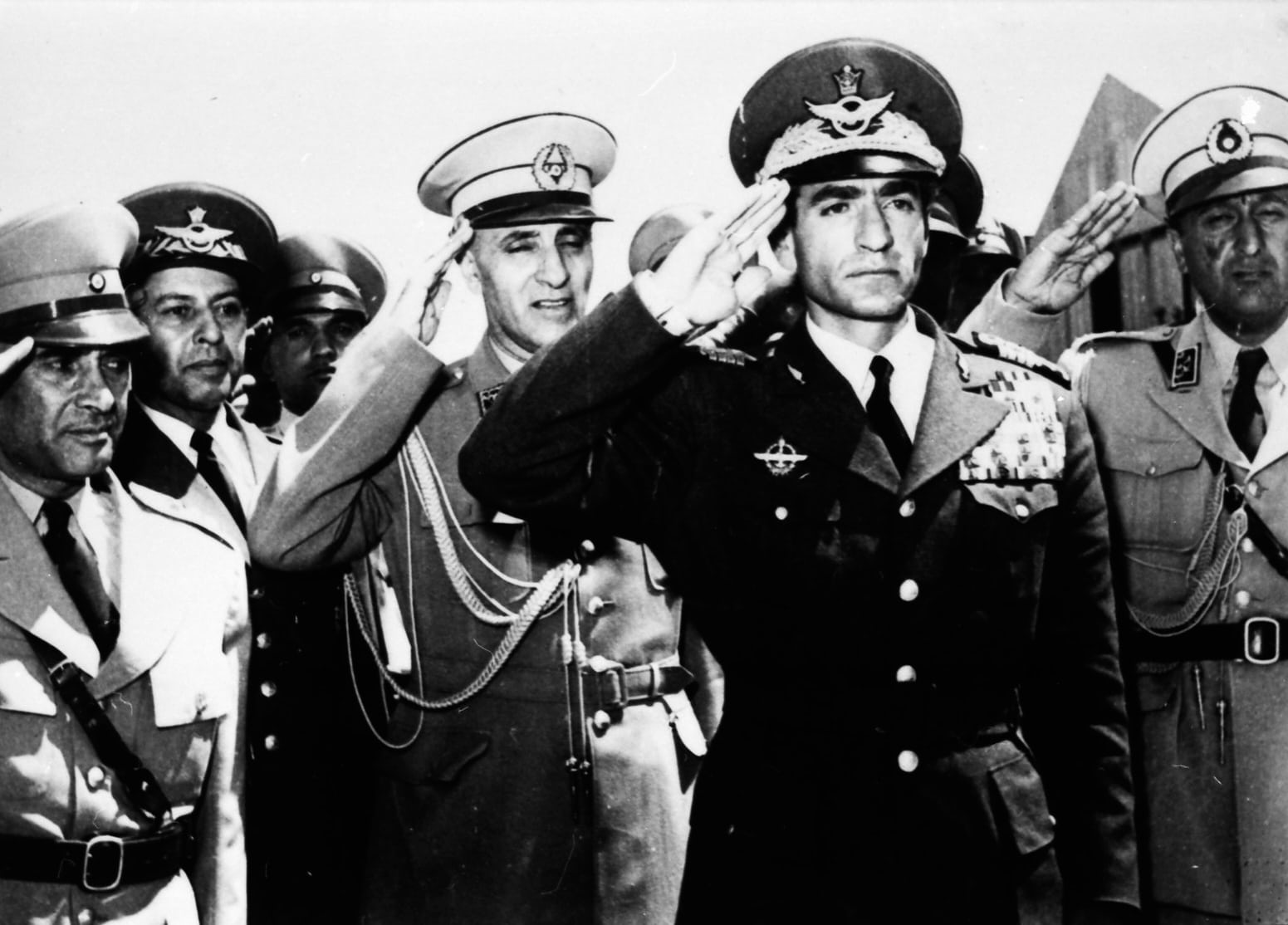
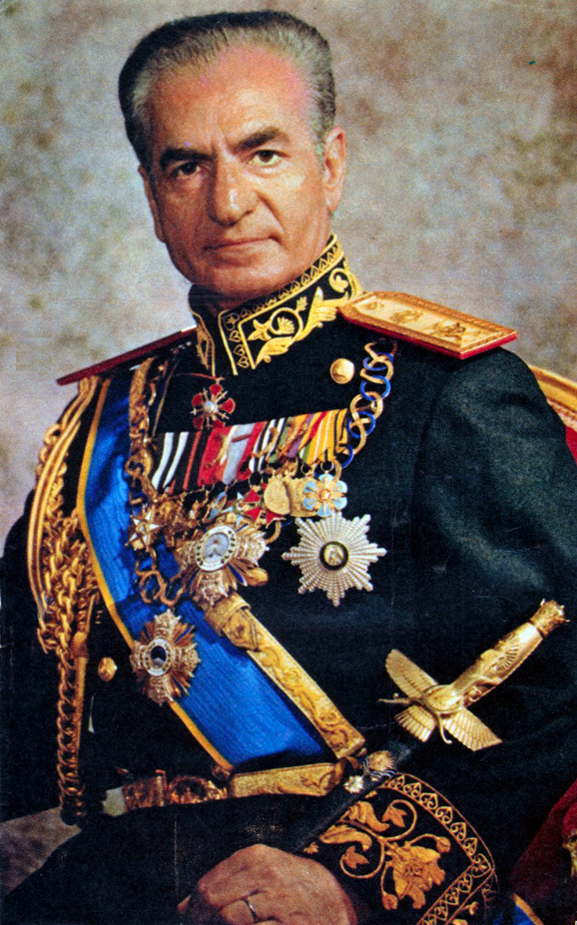
The Shah ruled for twenty-six years. He modernised parts of Iran, built infrastructure, and created SAVAK — a secret police force trained by the CIA and Mossad that became one of the most feared intelligence agencies in the Middle East. Dissidents were tortured. Political opposition was crushed. And through all of it, the United States and the United Kingdom were enthusiastic backers, because the oil flowed and Iran was firmly anti-Soviet.
In 1979, it all came apart. The Iranian Revolution overthrew the Shah, and Ayatollah Khomeini established the Islamic Republic. When revolutionaries stormed the US Embassy in Tehran and took 52 Americans hostage for 444 days, Western media largely covered it as an act of inexplicable savagery. What was rarely explained to a Western audience was why they were angry. Twenty-six years of dictatorship, installed and maintained by the countries whose embassy they stormed. SAVAK's torture chambers. The memory of a democratic government overthrown because it wanted to control its own oil.
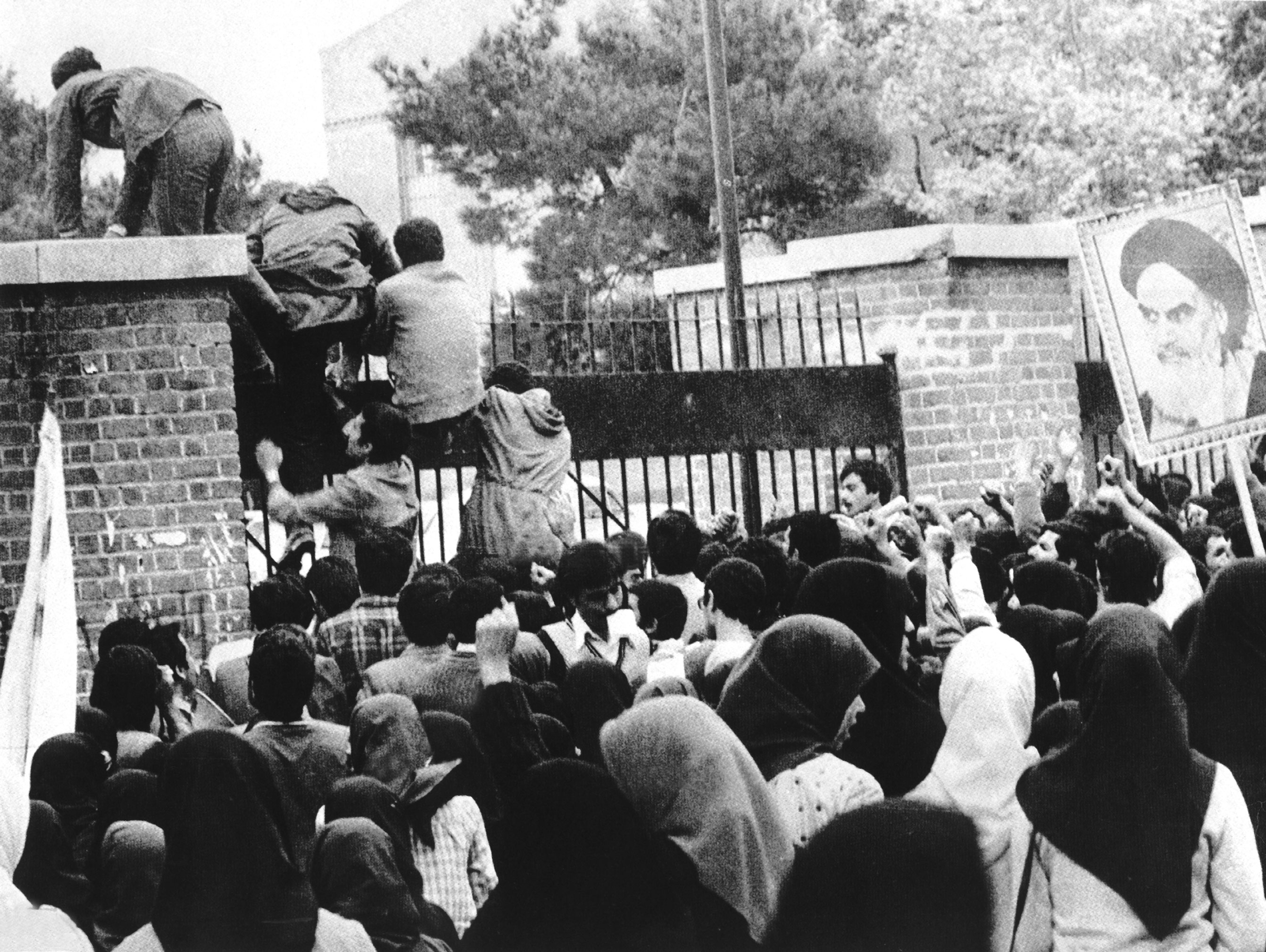
I am not justifying hostage-taking. I am saying that if you present the hostage crisis without the preceding twenty-six years, you are not informing people. You are propagandising them.
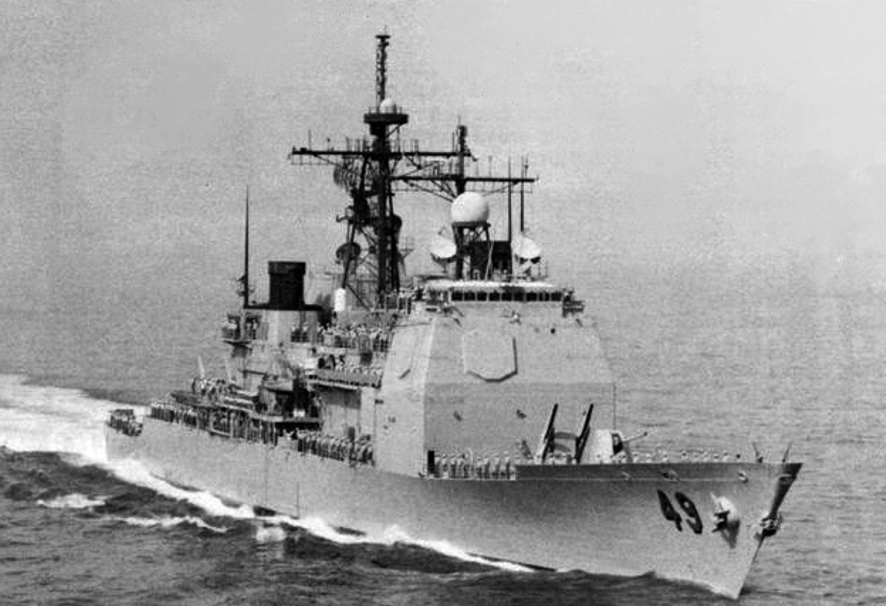
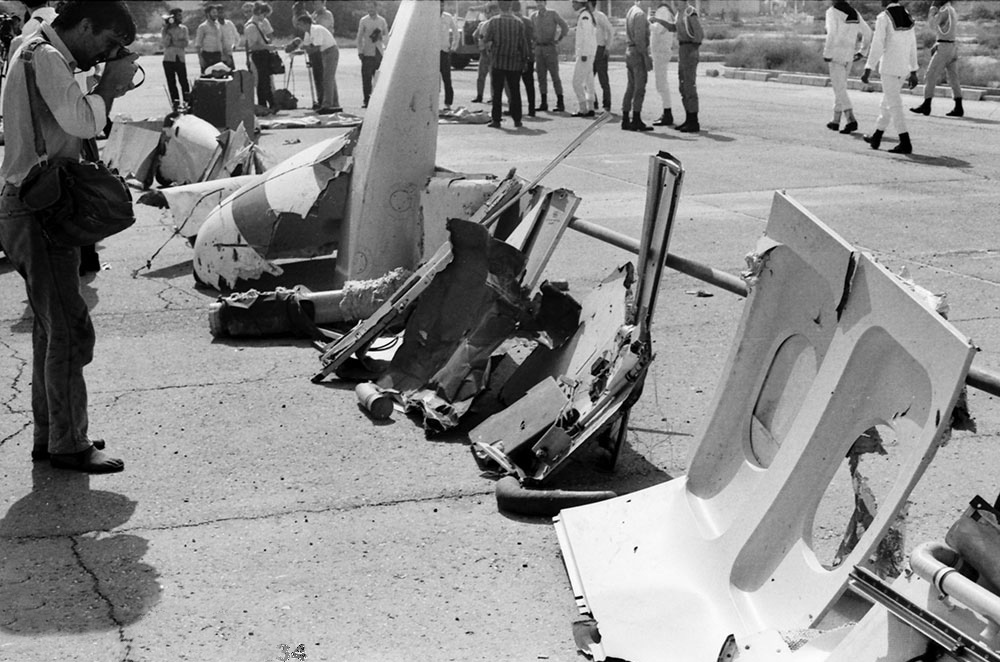
What followed was worse. In 1980, Saddam Hussein invaded Iran. The war lasted eight years and killed somewhere between half a million and a million people. The United States backed Saddam, providing intelligence, economic aid, and diplomatic cover — including when he used chemical weapons against Iranian soldiers and against his own Kurdish population. In 1988, the USS Vincennes shot down Iran Air Flight 655, a civilian airliner, killing all 290 people on board. The United States initially denied responsibility, then called it a regrettable accident, and later awarded the ship's captain, Will Rogers, the Legion of Merit for his service as commanding officer of the Vincennes. The citation did not mention the shootdown. It did not need to. Everyone knew. I did not know that last part until last week. I wish I still did not know it.
That same year, 1988, the regime showed what it was capable of doing to its own people. After the war ended, Khomeini issued a fatwa authorising the execution of political prisoners. Three-member commissions — known as "Death Commissions" — were formed across Iran. Prisoners who refused to renounce their political beliefs were sent to their deaths. Human Rights Watch estimates between 2,800 and 5,000 were killed. The Iranian opposition claims the number was as high as 30,000. In 2024, the UN Special Rapporteur's final report concluded that the massacres amounted to crimes against humanity and, on his analysis, genocide. The regime has never acknowledged them.
I need to be honest about what Iran became, because understanding this crisis requires holding two things in your head at once.
The Islamic Republic is not a passive victim of Western aggression. It is an authoritarian theocracy that executes dissidents, oppresses women, funds Hezbollah and Hamas, arms the Houthis in Yemen, and has pursued a nuclear programme that, regardless of its stated intentions, poses a legitimate proliferation concern. It massacres its own citizens when they demand change.
The people of Iran have repeatedly taken to the streets at extraordinary personal risk. In 2022, the death of 22-year-old Mahsa Amini in morality police custody sparked the Woman, Life, Freedom movement — the largest protests since 1979. Security forces killed approximately 551 people, including 49 women and 68 children. At least 11 protesters were executed after sham trials based on tortured confessions.
And then, in late December 2025 — just two months before Operation Epic Fury — it happened again, and it happened at a scale that is difficult to comprehend. Protests erupted across Iran on December 28, triggered by the collapse of the currency, soaring inflation, and failing basic services. The regime's response was staggering. By late January, the US-based Human Rights Activists News Agency had confirmed over 4,500 deaths, with more than 9,000 additional cases still under review. But reporting from The Guardian, TIME, and Iran International, citing local health officials and hospital records, suggested the real toll may have been far higher — possibly above 30,000. The numbers are disputed. What is not disputed is that tens of thousands were arrested and the regime imposed a near-total internet blackout to control what the world could see. I had to sit with those numbers for a long time. Even the confirmed floor is staggering. If the higher estimates are anywhere close to accurate, this was one of the worst state massacres of the twenty-first century. The European Union designated the Revolutionary Guard as a terrorist organisation in response. And then, less than two months later, the United States launched airstrikes against the same country whose government had just massacred tens of thousands of its own citizens demanding freedom.
The Iranian people are trapped between a regime that kills them for protesting and foreign powers that bomb them for geopolitical advantage. Both things are true at the same time. Neither side of this conflict has the Iranian people's interests at heart. That is the part of this story that I find hardest to write about, because there is no clean narrative. There are no good guys. There are only the people caught in between.
The nuclear question produced the JCPOA — the 2015 deal negotiated by the Obama administration, Iran, and five other world powers. Whatever its imperfections, it was the closest thing to a diplomatic framework for resolving the standoff. International inspectors verified that Iran was complying. In 2018, President Trump withdrew the United States from the deal and reimposed sanctions. No evidence of Iranian non-compliance was presented. The deal collapsed. Hardliners in Tehran were vindicated. Moderates who had argued for engagement with the West were humiliated.
From there, the escalation was a staircase. Each step made sense to someone. None of them made sense for the people who would ultimately pay the price.
On February 28, 2026, the United States launched Operation Epic Fury — a massive airstrike campaign against Iranian military infrastructure, nuclear facilities, and command-and-control targets. Supreme Leader Khamenei was killed in the strikes. Within days, Iran's Revolutionary Guard imposed a de facto blockade on the Strait of Hormuz, through which roughly a fifth of the world's oil and gas flows.
And a tradie on the Central Coast put $80 in his tank and drove off with the fuel light on.
The Emergency Supplier
This is the part of the story where I started feeling genuinely uneasy, not because of any conspiracy theory, but because of what the market dynamics actually look like when you lay them out plainly.
First, some context. Australia's fuel supply, under normal circumstances, comes primarily from Asian refineries — Singapore, South Korea, Malaysia. Tankers run regular routes. The supply chain is tight, but it works. Or it did.
Since the Hormuz closure, that supply chain has fractured. Six tankers carrying refined fuel from those Asian suppliers were cancelled or deferred in the space of a fortnight, according to Australia's Energy Minister. China and Thailand have banned fuel exports entirely, hoarding domestic supply. Asian refiners are cutting output because the crude they depend on — which comes through the Strait of Hormuz — is no longer arriving.
So where is Australia's fuel coming from now? For the first time in decades, it is coming from the United States. ExxonMobil, BP, and Vitol are shipping more than 200,000 metric tons of refined fuel from the US Gulf Coast to Australia. Emergency shipments, on sixty-day voyages, at crisis pricing. This is the most fuel shipped from the US to Australia in over thirty years. It was barely reported in Australian media. I found the story in the Malay Mail, in Turkish maritime trade publications, and in Lloyd's List. I could not find it in the Sydney Morning Herald. The biggest shift in Australia's fuel supply chain in living memory, and most Australians do not know it happened.
Here is the number that sits with me. The United States sources only 2 to 3 per cent of its own oil from the Persian Gulf.
Two to three per cent.
The United States launched a military operation that disrupted 20 per cent of global seaborne crude oil — the Strait of Hormuz — while being far less exposed to the consequences than almost anyone else. It has been a net petroleum exporter since roughly 2020, producing over 13 million barrels per day. American petrol prices have gone up, but not existentially. Australian diesel supply is an existential question. The country that caused the disruption is now the emergency supplier, selling fuel at crisis prices to nations that cannot get it from anywhere else.
I want to be careful here, because I am not alleging that this was the plan. I do not think someone in Washington sat down with a spreadsheet and said, "If we bomb Iran, ExxonMobil can sell diesel to Australia at three times the normal margin." That is not how these things work. The strikes were driven by their own logic — nuclear non-proliferation, regional power dynamics, the internal politics of an election year.
But the structural outcome is the same regardless of intent. The US is insulated. Its energy companies profit. Its strategic competitors — China, India, the EU — are scrambling. And countries like Australia, which failed for decades to build energy independence, are paying the crisis premium.
I do not think the reporting gap is a conspiracy of silence. I think it is a structural failure of Australian journalism to cover supply chains, energy markets, and trade logistics with the same intensity it covers Canberra press conferences. But the effect is the same: the Australian public does not know where its fuel is coming from this week, how much more it costs, or why.
The Invisible Hand
I drive an electric vehicle. I want to say that up front, because it is relevant and because I do not want anyone to think I am hiding it to seem more objective.
Right now, I am watching this crisis from a different seat. My car charges from a solar system on my roof. When diesel hit $3.24, my marginal cost of driving did not change. I am not saying this to gloat. I am saying it because the fact that this technology exists, that it works, and that it could have been widely deployed decades ago is one of the most frustrating threads in this entire story.
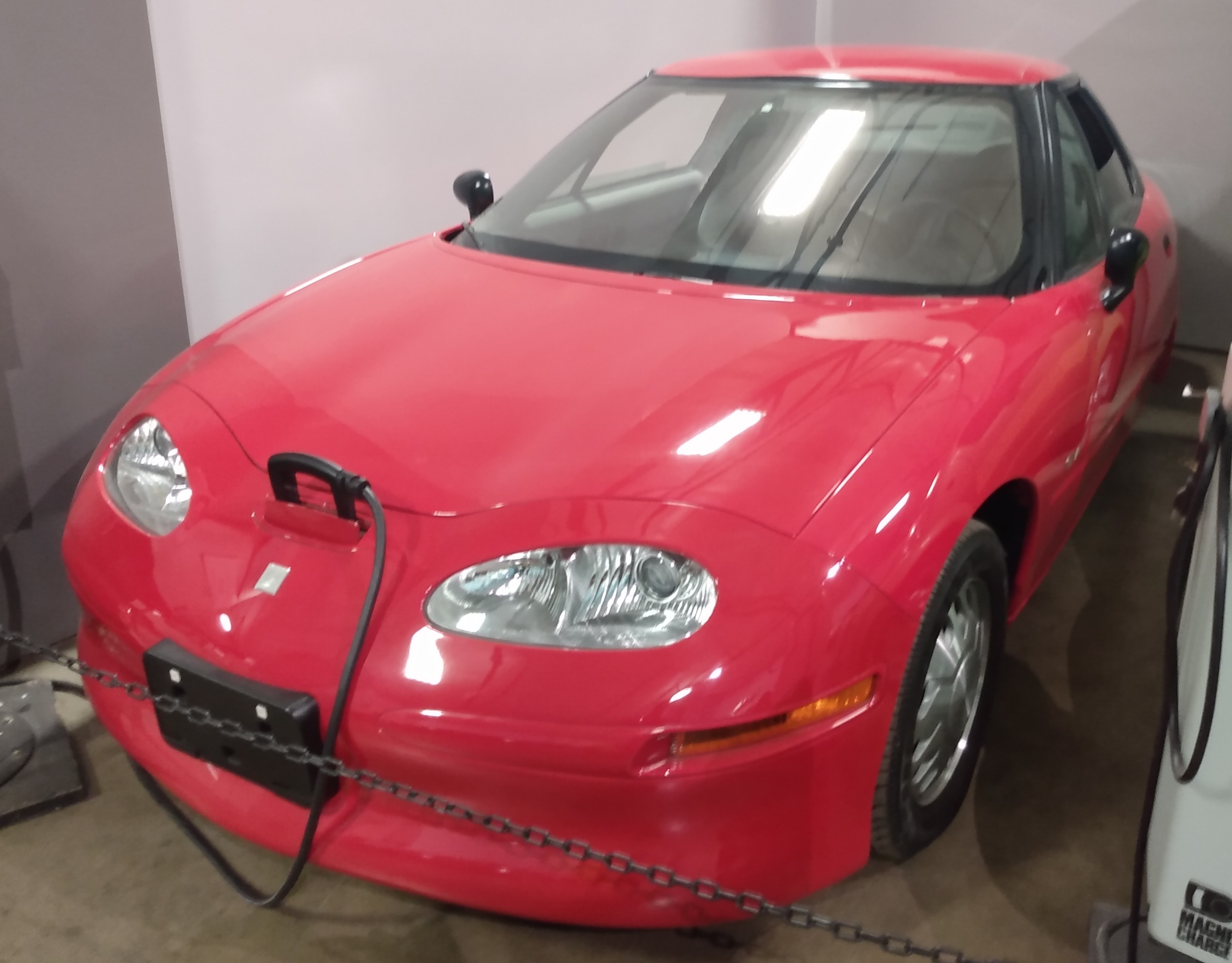
Let me tell you about the GM EV1. In 1996, General Motors produced an electric car. It worked. Drivers loved it. California was moving to mandate zero-emission vehicles. Then the auto industry lobbied against the mandate, GM cancelled the EV1 programme, and — in a move so cartoonishly villainous that if I put it in a novel you would call it heavy-handed — they recalled every single EV1 and crushed them in the Arizona desert. Drivers begged to buy the cars they were leasing. GM refused. The cars were destroyed.
Chevron's subsidiary, Cobasys, acquired control of the patent for large-format nickel-metal hydride batteries — the most promising EV battery technology of the era. What happened next is still debated, but the outcome is not: nobody manufactured those batteries for EVs until the patents expired around 2010. Whether Chevron actively blocked competitors or simply declined to license the technology, the effect was the same. A decade of potential EV development, locked in a patent filing cabinet owned by an oil company.
And then there are the decades of lobbying, the political donations, the funded misinformation campaigns against climate science. ExxonMobil's own internal research in the 1970s and 1980s accurately predicted the trajectory of global warming. Their public position for the next thirty years was to fund doubt and deny the science their own scientists had confirmed. This is also documented. Their internal documents were published.
I did not know most of this when I bought my EV. I bought it because the running costs were lower and I liked the torque. I learned the history later, and every new detail deepened the sense of something deliberately wasted.
Here is where we are now. Since the Hormuz closure, EV search traffic in Australia has tripled. Purchase consideration — the percentage of people who say they would seriously consider buying an electric vehicle — has jumped from around 7 per cent to 25 per cent. This is not a gradual cultural shift. This is panic buying of an alternative.
Norway, where roughly 95 per cent of new car sales are now electric, has essentially zero fuel crisis exposure for its growing electric fleet. When the Strait of Hormuz closed, Norwegian drivers did not notice. Their electricity comes from hydropower. Their cars run on it. The crisis that is reshaping Australian household budgets is, for them, a news story about something happening to other people.
The narrative flipped overnight. For years, electric vehicles in Australia were framed as an environmental luxury, a virtue signal, a toy for inner-city professionals who do not understand how the real world works. There was a federal election fought partly on the claim that EVs would "end the weekend." Now, the same people who said that are paying $3.24 a litre and the EV owners are charging from their rooftops.
I do not take pleasure in this. I take no satisfaction in being right if being right means watching my neighbours get crushed by a crisis that was avoidable. The technology existed. The warning signs were visible for decades. The transition to electric transport was not too slow because the technology was not ready. It was too slow because enormously powerful and profitable companies spent decades making sure it stayed too slow, and governments let them.
We had the technology. We had the warning signs. And I keep coming back to the same uncomfortable thought: the transition was not slow because it had to be. It was slow because slowing it down was profitable for the people in a position to slow it down. That is not a conspiracy theory. The litigation is public. The internal documents have been published. The patent filings are searchable. You can look it up yourself.
Where Is This Going?
I do not know. I suspect nobody does. But here is what the situation looks like as of the last week of March 2026, based on the best analysis I can find.
The military picture is constrained. Some analysts estimate that the US has already consumed striking shares of specific munition types — one Payne Institute estimate put ATACMS and Precision Strike Missile usage at nearly 46 per cent of inventory in the first sixteen days alone. Hundreds of Tomahawks have been fired. Replenishment, at current production rates, will take five or more years. The US can sustain air operations, but the magazine is not infinite, and everyone — including Iran — can count.
The diplomatic picture is bleak. The 22-nation Hormuz Coalition is heavy on statements and light on ships. Iran's five conditions for reopening the strait are maximalist non-starters — including the withdrawal of all US military assets from the Persian Gulf and the lifting of all sanctions. These are not negotiating positions. They are a public statement that Iran does not intend to negotiate under current conditions.
The Houthis in Yemen represent a potential second front. They have already demonstrated the ability to disrupt shipping in the Red Sea with relatively crude weapons. The prospect of simultaneous disruption in both the Red Sea and the Strait of Hormuz is, to put it in clinical terms, very bad.
The economic numbers are sobering. Oxford Economics has modelled that Brent crude sustained above $140 per barrel for two months or more would trigger a global recession. Moody's has placed recession probability at 49 per cent. As I write this, Brent is sitting around $112 and has shown no sign of falling. We are twenty-eight dollars from the threshold. That sounds like a buffer until you remember it was $75 in January.
Several major policy institutes — RAND, the Atlantic Council — are pointing in the same direction, toward what amounts to a "persistent low-grade conflict." Not a full-scale war. Not a resolution. A grinding, indefinite disruption that keeps oil prices elevated, shipping routes unstable, and governments scrambling. No clean win. No clean end. Just a new normal that is worse than the old one.
I do not know how this ends. I have read everything I can find, and the honest answer is that the people whose job it is to know these things do not know either. The best-case scenarios involve diplomatic breakthroughs that no one is currently working toward. The worst-case scenarios involve escalation spirals that everyone claims to want to avoid but no one seems able to prevent.
The Pattern
There is one more thing I need to mention, because it happened and because it matters, and because if I do not mention it I am not doing my job.
On the day of the strikes — February 28 — trading records show that approximately $580 million in oil futures were purchased in the sixteen minutes before the operation was publicly announced. Sixteen minutes. Someone, or several someones, with advance knowledge of the strikes, placed bets that oil prices would spike.
Paul Krugman called it treason. That may be hyperbolic, or it may be precisely accurate. What is not in dispute is that it happened, that it is being investigated, and that the Department of Justice's Public Integrity Section — the unit responsible for investigating corruption by public officials — has been gutted from 36 lawyers to 2 over the past several years.
The section responsible for investigating whether government officials profited from advance knowledge of military operations that would spike global oil prices has, functionally, been defunded. I did not know that either, until this week.
This is the pattern. It repeats. It has been repeating since 1953.
A democracy is overthrown to secure oil access, and the people who overthrow it do not live with the consequences. A dictator is installed and backed for decades, and when the backlash comes, the people who backed him express surprise. Chemical weapons are used with diplomatic cover from Washington, and the outrage is reserved for later, when it is convenient. A nuclear deal is negotiated, then abandoned, and when the hardliners are proven right, the architects of the abandonment have moved on to book deals and speaking fees. Thirty thousand people are killed in the streets for demanding a better country, and two months later those same streets are bombed from the air. Strikes are launched, a strait is closed, and fuel hits $3.24 a litre on the Central Coast.
Each decision made sense to someone. A Cold War strategist. An oil executive. A president facing re-election. A military planner with a brief and a deadline.
Not one of those decisions was made with the person at the bowser in mind. Not one of them was made by someone who would ever have to choose between a full tank and groceries. Not one of them was made by someone who would watch food prices climb 50 per cent because the diesel that moves the trucks that stock the shelves is sitting in a tanker on the wrong ocean. The people who make these decisions and the people who live with the consequences are never the same people. That is the pattern. It has not changed in seventy-three years. I do not expect it to change now.
From 70 per cent self-sufficient to 90 per cent dependent. From eight refineries to two. From 90 days of reserves on paper to 30 in reality, stored on the wrong side of the ocean. From a democratic Iran to a theocratic one, with a coup, a revolution, a war, thirty thousand dead in the streets, and a million dead before that. From a working electric car crushed in the desert in 1996 to a fuel crisis in 2026 that electric vehicles could have largely prevented.
Every step was a choice. Every choice was made by someone who did not have to live with it.
I did not know most of this a month ago. I knew the price at the bowser and I was frustrated. Now I know why the price is what it is, and the frustration has turned into something sharper — the recognition that none of this was inevitable. None of it was an act of God. It was an act of people, over and over again, choosing short-term advantage over long-term resilience, choosing profit over preparation, choosing ideology over evidence.
We got ourselves here. Seventy-three years of decisions, and here we are.
This is the first article in "How Did We Get Here?" — a series where I take a current crisis and trace it back to its origins. I am not a journalist. I am a retired doctor with a search engine and a low tolerance for being uninformed. If I have gotten something wrong, I want to know about it. If I have gotten it right, I want you to be as unsettled as I am.
Next in the series: I have not decided yet. Suggestions welcome.
— David
Research assistance and drafting support provided by AI (Claude). All editorial decisions, opinions, and final content are my own.