Three Things That Surprised Me About the Man from Budapest
Chapter 5 of Lady Lovelace's Objection is the John von Neumann chapter. Three things I did not know until I wrote it: the one-name report, the guarded deathbed, and the last book that argued the brain is a different kind of machine.
Read article →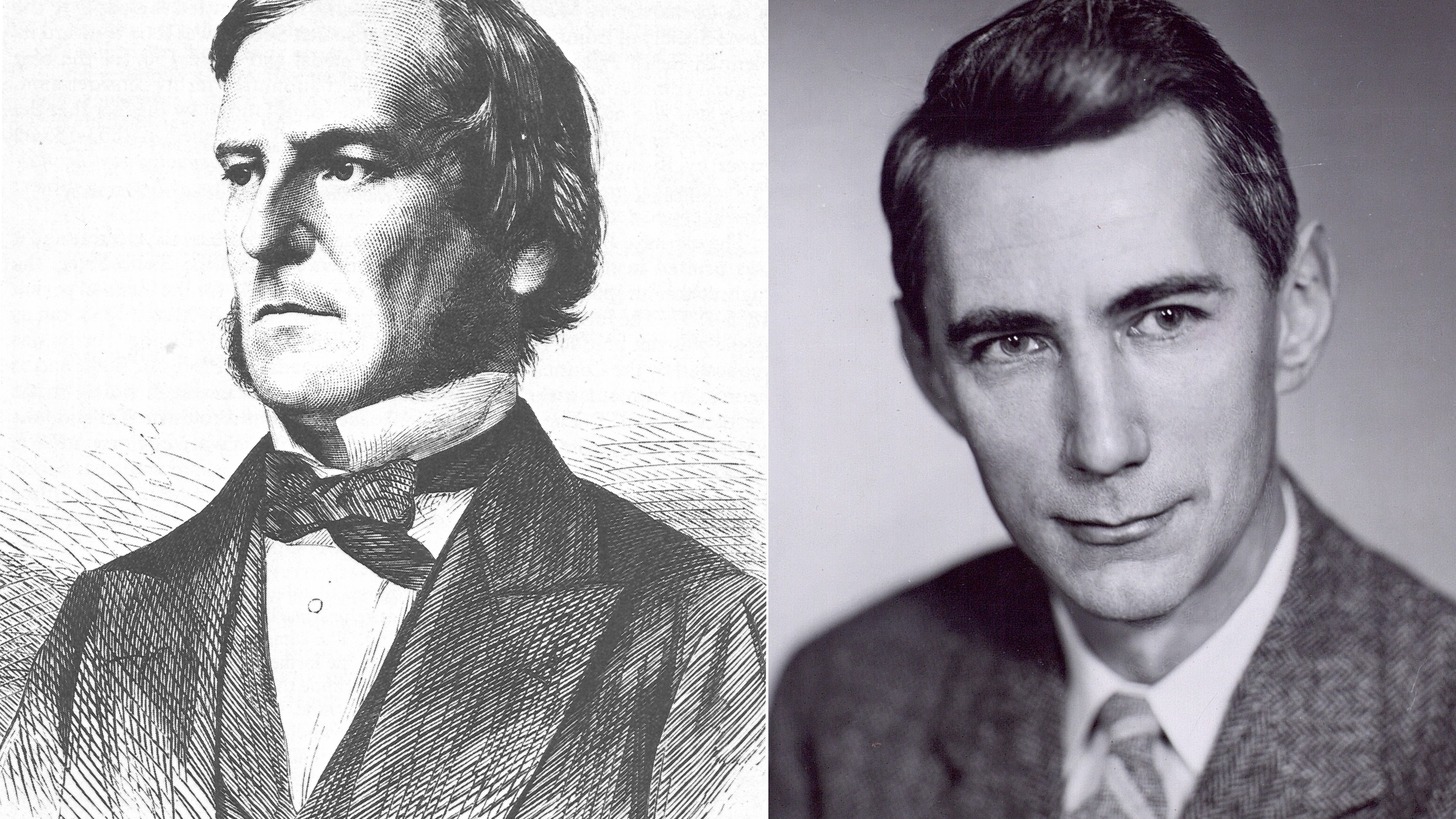
Three Things That Surprised Me About the Man Who Invented Binary Logic
Chapter 2 of *Lady Lovelace's Objection* goes up on Substack today. It is the Boole and Shannon chapter, the one I knew I had to write before I had written a word of the rest of the book, because every other chapter in the first half of the book leans on it.
Read article →Astralpool tried to stop Home Assistant talking to my chlorinator. Their app printed the credentials to logcat.
I bought a Halo Chlor 25 in early April. It is the salt chlorinator that sits at the centre of the AstralPool Halo Connect ecosystem, and most of an Australian pool's smarts run through it: the heat pump talks to it, the lights talk to it, the pH and ORP probes talk to it.
Read article →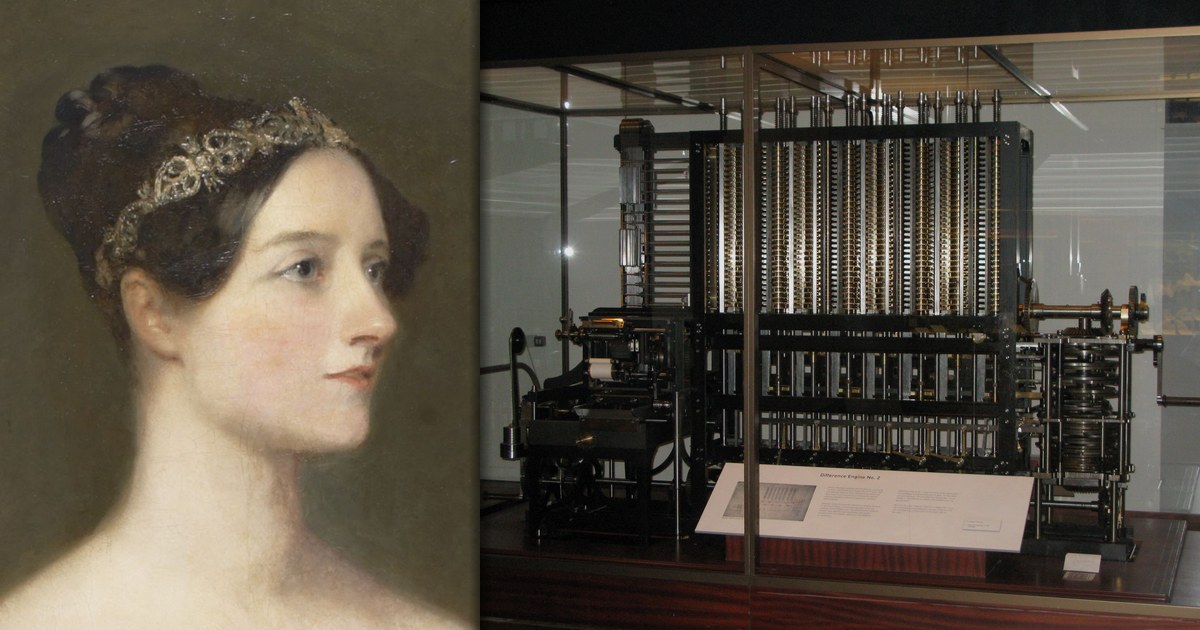
The Countess and the Engine
An excerpt from Chapter 1 of Lady Lovelace's Objection, Dr David Bell's serialised history of computing. Babbage, Ada Lovelace, and the argument that began the modern computer.
Read article →The COVID Debt Nobody Is Counting
I worked as an anaesthetist through the worst years of the pandemic. I am no longer practising.
Read article →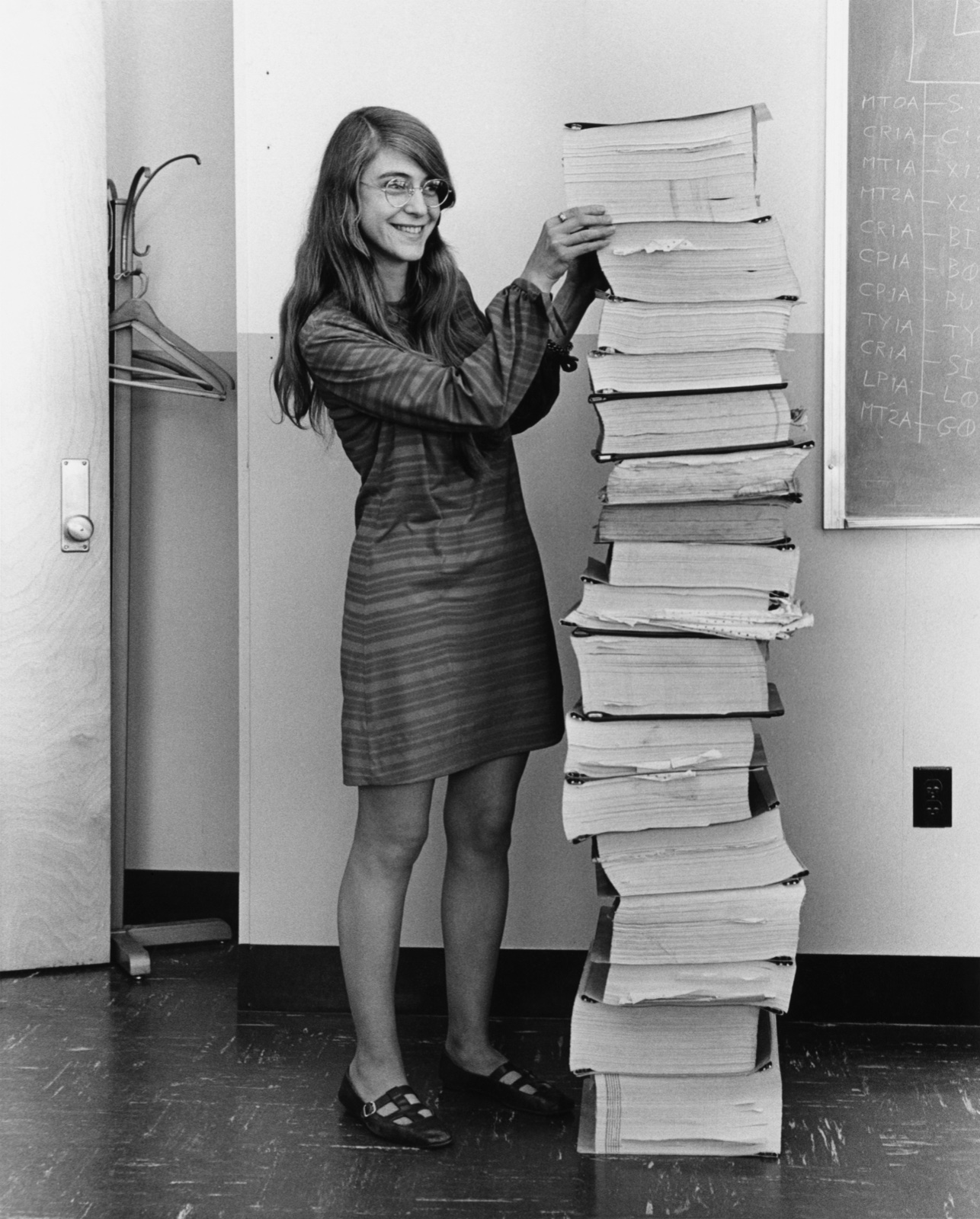
What the Apollo 11 Computer Taught Me About Anaesthesia
On 20 July 1969, about three minutes into the Lunar Module's powered descent to the Sea of Tranquility, a caution tone chimed in the cabin and the amber display in front of Neil Armstrong lit up with a four-character alarm code. 1202.
Read article →
Mythos and the Question Nobody Wants to Answer
On 7 April 2026, Anthropic announced Claude Mythos Preview and then did something no major AI lab has done in nearly seven years. They refused to release it.
Read article →The Anaesthetist Paradox: Keeping Everyone Calm While Falling Apart
The anaesthetist is the calmest person in the room. That is the job. What nobody seems to ask is what happens to that person when they drive home afterwards.
Read article →From Feature Vectors to Fluent Conversation: What 22 Years of AI Looks Like From the Inside
In 2004, I presented a paper on teaching computers to understand words. The best accuracy we achieved was 56 per cent. Twenty-two years later, AI does not just understand words. It reads, writes, reasons, and carries on conversations. No other technology made that jump.
Read article →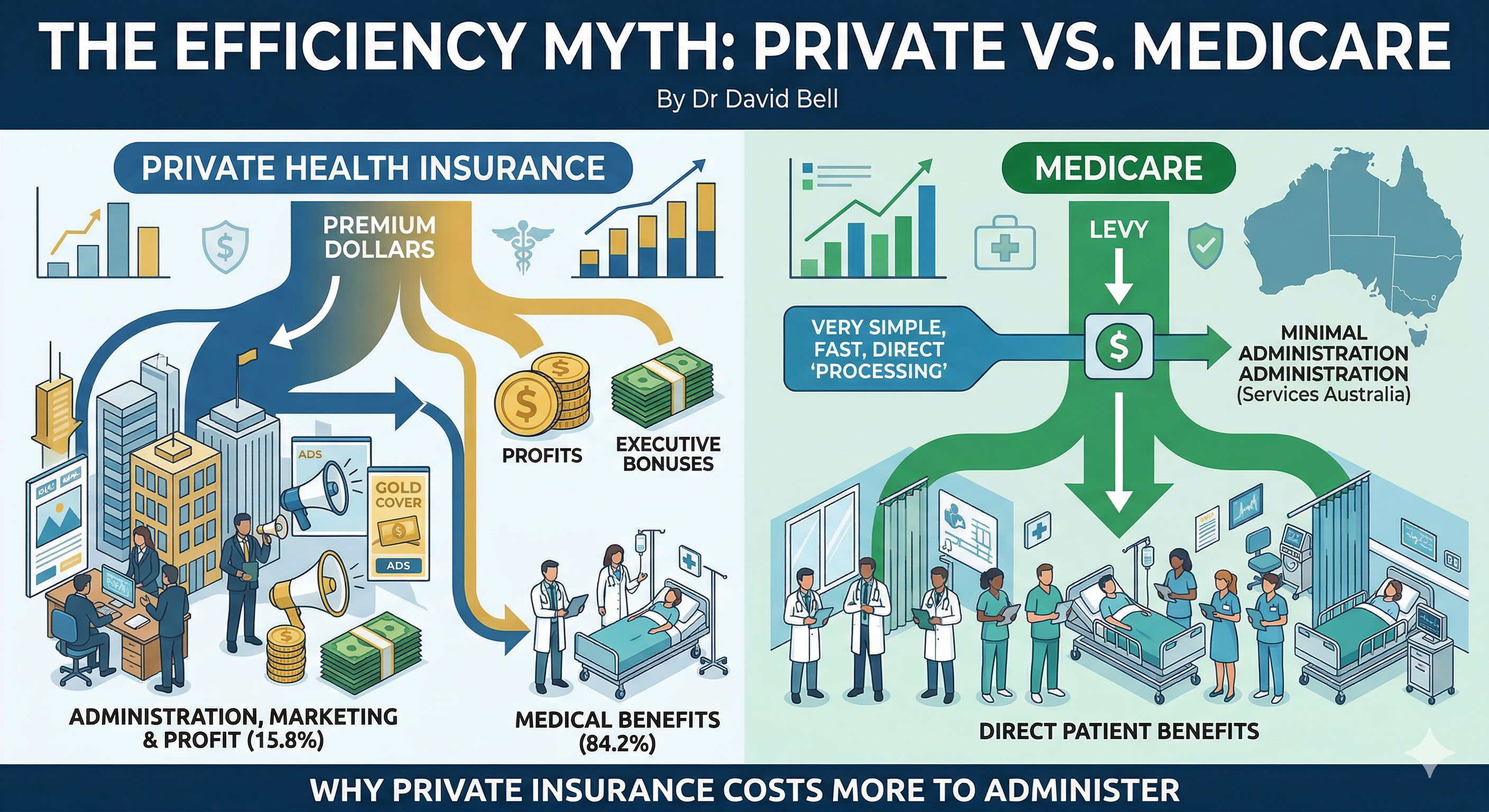
Why I Wrote to Bupa in 2018 (And Why It Matters More Now)
In 2018 I wrote an open letter to Bupa about their decision to remove No Gap cover from public hospitals. It went viral. Eight years later, every prediction came true, and the numbers are worse than I expected.
Read article →
How Did We Get Here? Diesel at $3.24 a Litre
Diesel is $3.24 a litre on the Central Coast. I traced the crisis back seventy-three years: a 1953 CIA coup, six closed refineries, a strategic reserve stored on the wrong side of the Pacific, and $580 million in oil futures traded sixteen minutes before the strikes.
Read article →
The Flying Anaesthetist: How Dr Adam Hill Flies His Own Plane to Deliver Healthcare to Regional Australia
Dr Adam Hill is the only instrument-rated anaesthetic pilot in Sydney. Every fortnight he flies his Cirrus SR22 to deliver specialist care to regional towns that can't attract it. During the Black Summer bushfires, he flew doctors into Mallacoota when nobody else could get them there.
Read article →The System That Punishes Doctors for Being Human
I trained in anaesthesia at a major teaching hospital in Sydney. During that time, I became aware of at least two colleagues who took their own lives. They are not unusual. They are a statistic.
Read article →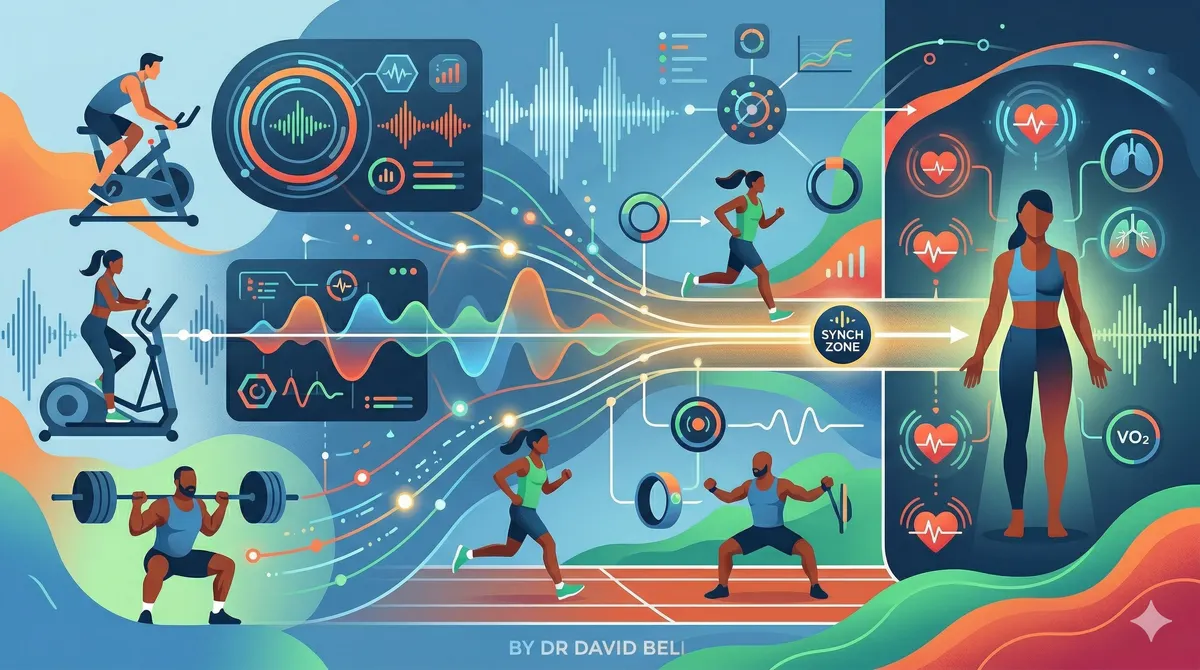
How Peloton, Apple, and Spotify Engineer Their Workout Playlists (And Why Most of Them Get It Wrong)
Only one major fitness platform actually uses exercise science to programme its music. The rest rely on instructor taste, intuition, or nothing at all.
Read article →
Anthropic, the Pentagon, and the Question Nobody Wants to Answer
Anthropic was blacklisted for refusing to remove two safety restrictions from its military AI contract. The implications extend far beyond one company.
Read article →
AI's Second Moment: The Explosion That Changed Everything
In 25 days between November and December 2025, four frontier AI models launched and crossed a threshold that turned software engineering inside out.
Read article →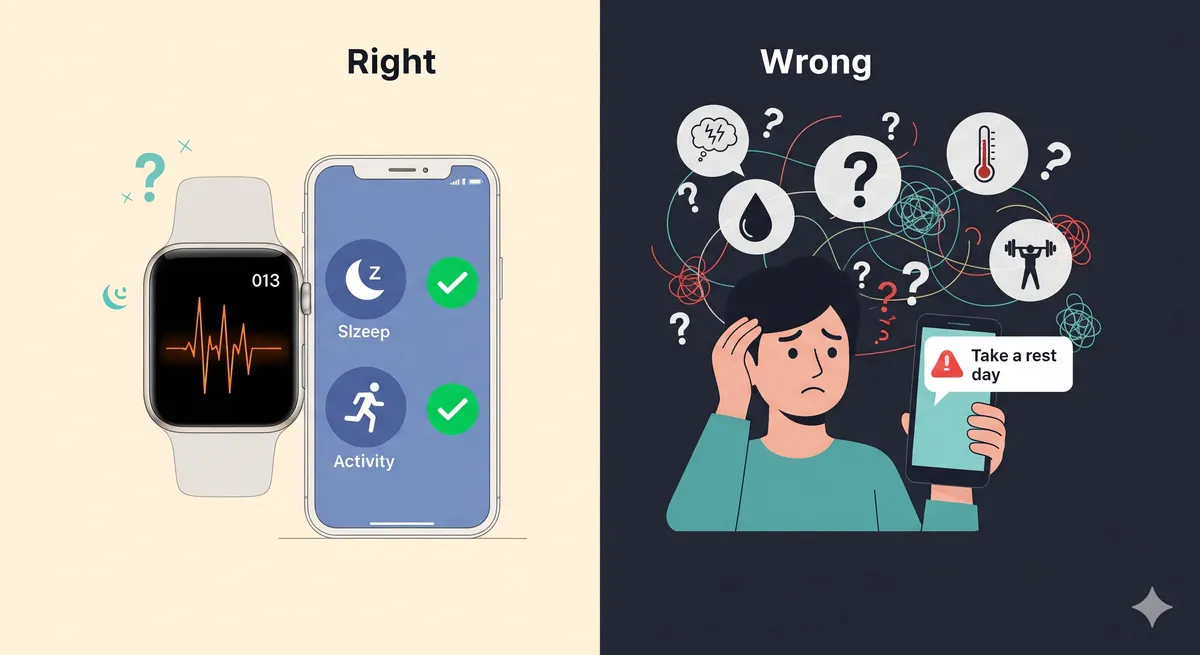
What Apple's AI Health Coach Gets Right, and What It Will Probably Get Wrong
Apple's Health+ project identified the right problem but reportedly scaled back. What AI fitness coaching actually needs to work, from someone building it.
Read article →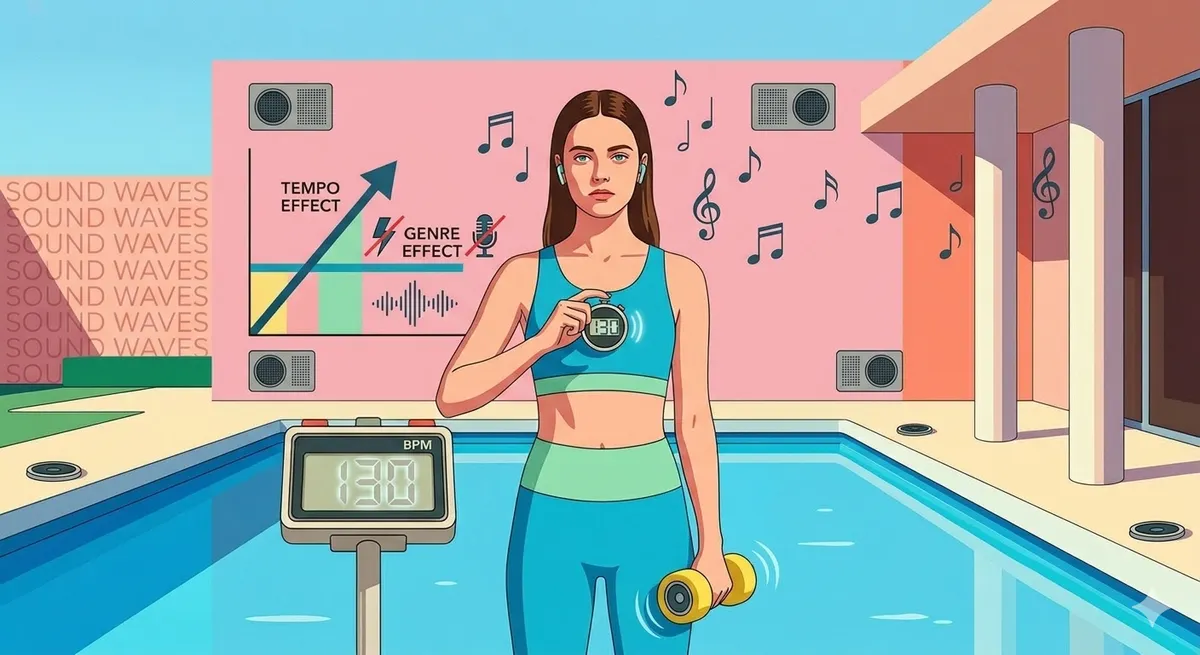
The Science of Workout Music: Why Tempo Matters More Than Genre
25 years of research shows that tempo, not genre, is the primary driver of music's ergogenic effect during exercise. The optimal range is 125-140 BPM.
Read article →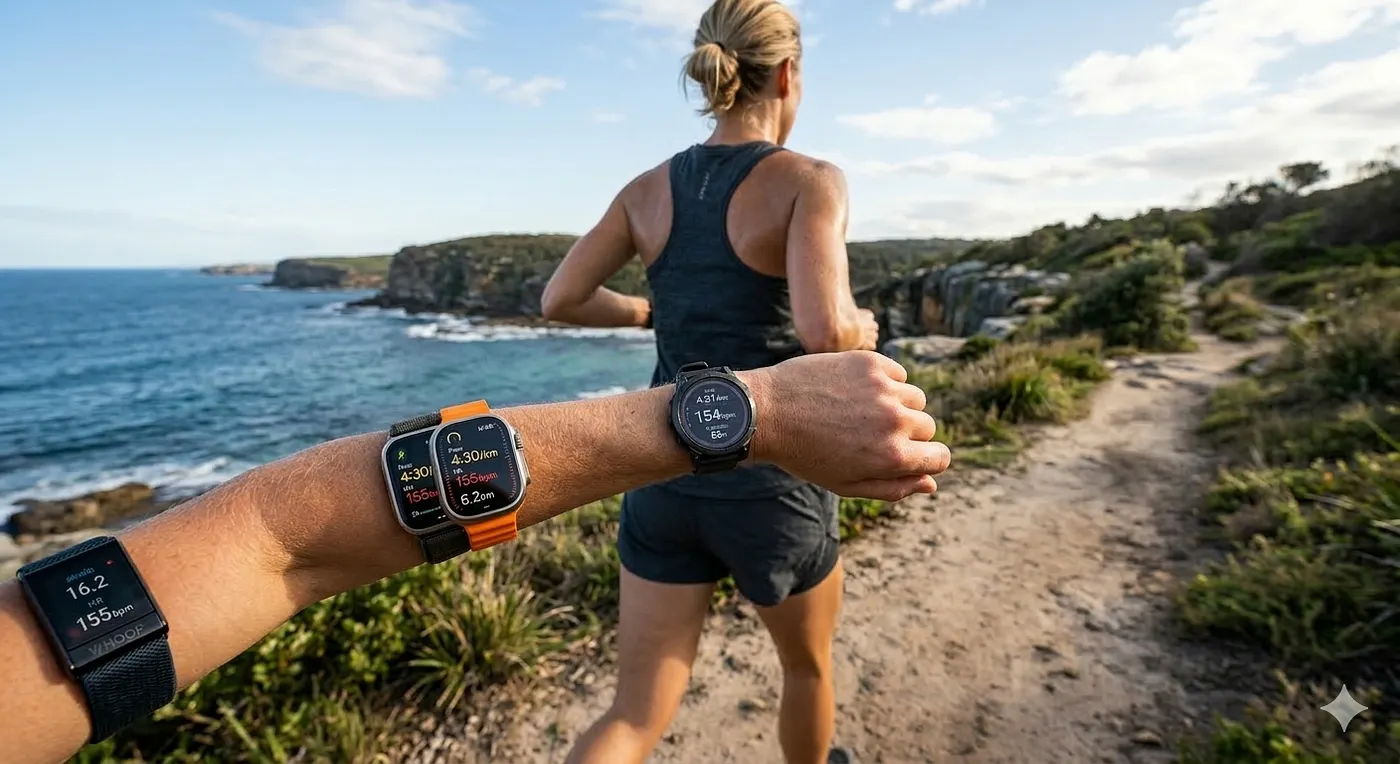
Which Fitness Wearable Actually Improves Your Training?
A clinical look at what Garmin, Apple Watch, and Whoop actually measure, how accurate those measurements are, and which device changes training behaviour.
Read article →
The Fitter You Get, the More Your Brain Benefits from Each Workout
A UCL study shows that as aerobic fitness improves, the brain's neurochemical response to each workout becomes progressively more powerful.
Read article →